For informational purposes only—not medical advice.
Best GLP-1 for Women: What to Take and Where to Get It (2026)
The best GLP-1 program for most women is MEDVi ($179 first month, $299/mo ongoing). After verifying pricing, clinical support, and medication options across six telehealth providers, MEDVi offers the strongest combination of transparent pricing, 24/7 clinician access, and both injection and tablet formats — which matters more than most comparison sites admit.
But here's what almost nobody is telling you: women respond significantly better to GLP-1s than men. A March 2026 Johns Hopkins meta-analysis of 64 clinical trials found that women on GLP-1 medications lost approximately 11% of their starting body weight, compared to about 7% for men. A separate analysis of the SURMOUNT trials confirmed that tirzepatide produced roughly 20% weight reduction in women regardless of whether they were premenopausal, perimenopausal, or postmenopausal.
This isn't a gender-neutral medication. Your biology is actually working in your favor here.
Quick picks based on your situation:
- Best overall for most women: MEDVi — $179/mo to start, strongest support + price balance
- Best if you want to avoid needles: Embody — needle-free GLP-1 gum option, $99 first month (semaglutide injection)
- Best reviews + fastest shipping: SkinnyRX — 4.8/5 Trustpilot, free overnight delivery
- Best on a tight budget: Yucca Health — $146 first month on 6-month plan
- If you have PCOS specifically: Read our dedicated Best GLP-1 for Women with PCOS guide
- If your insurance covers brand-name Wegovy or Zepbound: Skip telehealth compounding and go through your doctor — that's your best path
The rest of this page exists to help you verify that verdict, find yourself in the details, and start with confidence. We'll cover the medications themselves, which one fits your life stage, what to watch out for, and exactly how the provider programs compare — with honest downsides included.
Affiliate Disclosure: This page contains affiliate links. If you use our links to sign up with a provider, we may earn a commission at no extra cost to you. This doesn't affect our ratings, our editorial process, or what we recommend. Full editorial policy.
Last Updated: March 5, 2026 · Sources: Johns Hopkins Bloomberg School of Public Health, NEJM, FDA.gov · Medical Disclaimer at bottom of page
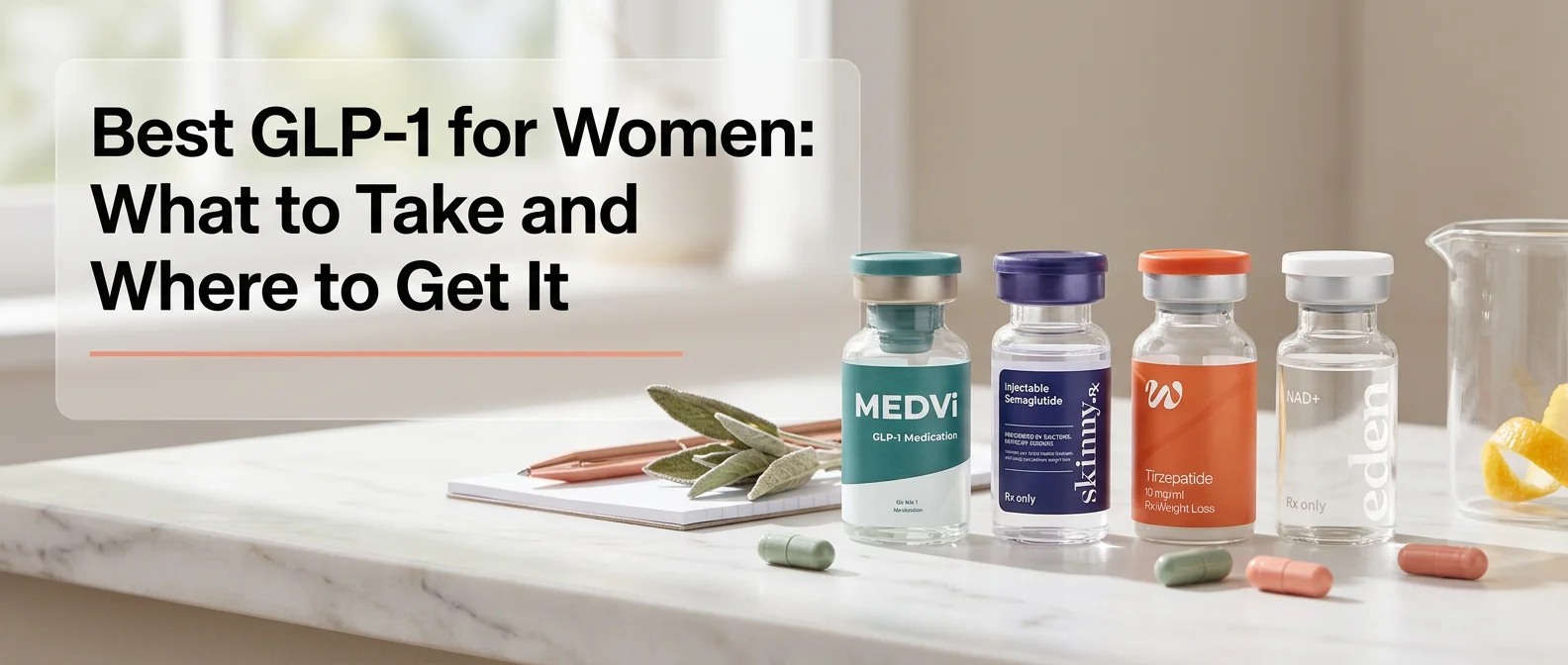
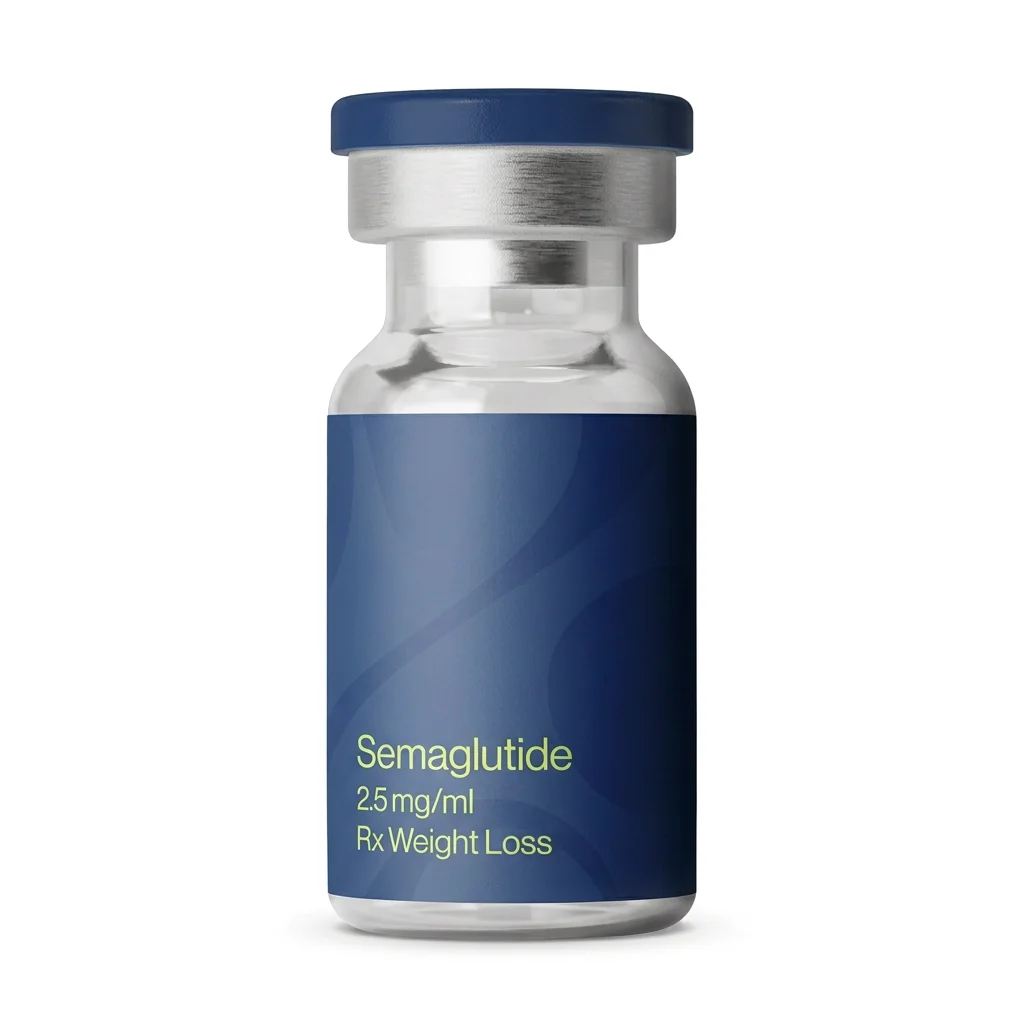
Illustrative graphic. Prescription medications. Individual results vary.
How Do the Top GLP-1 Providers for Women Compare?
We verified pricing, medication options, and support features across six providers. All data verified as of March 2026 — confirm current pricing on each provider's site before signing up.
| Provider | Starting Price | Ongoing Price | Meds Offered | Oral? | Trustpilot | Best For |
|---|---|---|---|---|---|---|
| MEDVi | $179/mo | $299/mo (inj) · $249/mo (tab) | Compounded semaglutide + tirzepatide; brand-name available | Yes (dissolvable) | 4.5/5 (10,000+) | Most women — best price-to-support ratio |
| Embody | $99 first mo | $299/mo ongoing | Compounded semaglutide + tirzepatide | Gum (needle-free) | — | Needle-free GLP-1 gum + low first month |
| SkinnyRX | $199/mo | $199–$299/mo | Compounded semaglutide + tirzepatide | Yes (tablet) | 4.8/5 (4,700+) | Fast shipping, highest user ratings |
| TrimRX | ~$147–$279/mo | $399/mo | Compounded semaglutide + tirzepatide | Yes | 4.0/5 (490+) | Flat-rate dosing |
| Yucca Health | $146 first mo | ~$206/mo (6-mo plan) | Semaglutide+ · Tirzepatide+ | Verify | 4.6/5 (840+) | Budget-conscious, 6-month commitment |
| Willow | $299/mo | $299/mo (all sema doses) | Compounded semaglutide + tirzepatide | Yes | 3.6/5 (290+) | Aesthetic-forward approach |
All compounded GLP-1 medications are not FDA-approved. They are prepared by licensed U.S. compounding pharmacies under a clinician's prescription. Brand-name medications (Wegovy, Zepbound) are FDA-approved and available through some of these providers at higher price points. Pricing verified March 2026 — confirm current rates before signing up.
What real women are saying
“Very easy and convenient for a very busy working lady.” — MEDVi patient, Trustpilot
“Same results, way more affordable. Down 9 lbs in my first month.” — TrimRx patient, Trustpilot
Individual results vary. These are personal experiences, not guarantees. Always consult a licensed healthcare provider.
“Lost 16 lbs in 10 weeks — no side effects. Down two sizes. I wish I’d started sooner.”
— Verified MEDVi patient on ConsumerAffairs ★★★★★
What Is the Best GLP-1 Medication for Women?
Let's separate two questions people mix together: which medication is best, and which program/provider is best to get it from. We'll handle the medication question first.
For most women, tirzepatide (brand name: Zepbound for weight loss, Mounjaro for diabetes) produces the greatest average weight loss. A 2025 head-to-head trial published in the New England Journal of Medicine showed tirzepatide produced significantly greater weight reduction and waist circumference loss than semaglutide over 72 weeks. A large 2024 meta-analysis of 53 studies confirmed this — tirzepatide averaged about 19 lbs of weight loss vs about 7 lbs for semaglutide compared to placebo.
But “most weight loss” isn't always “best for you.” Here's how to think about it:
Choose tirzepatide (Zepbound) if: Maximum weight loss is your primary goal, you don't have specific cardiovascular concerns driving the decision, and cost/access isn't a barrier. Tirzepatide works on two receptors (GLP-1 and GIP), which appears to amplify the effect.
Choose semaglutide (Wegovy) if: You have heart disease risk factors (the SELECT trial showed a 20% reduction in major cardiovascular events), your insurance covers it, or tirzepatide isn't available to you. Semaglutide also has more long-term safety data since it's been available longer.
Choose liraglutide (Saxenda) if: You've tried semaglutide or tirzepatide and couldn't tolerate them, or if your clinician recommends a daily injectable option to start with lower exposure.
Three GLP-1 medications are currently FDA-approved specifically for weight loss in adults: Wegovy (semaglutide injection), Zepbound (tirzepatide injection), and Saxenda (liraglutide injection). Wegovy also now has an FDA-approved oral pill form. Other GLP-1s like Ozempic and Mounjaro are approved for type 2 diabetes and sometimes prescribed off-label for weight loss.
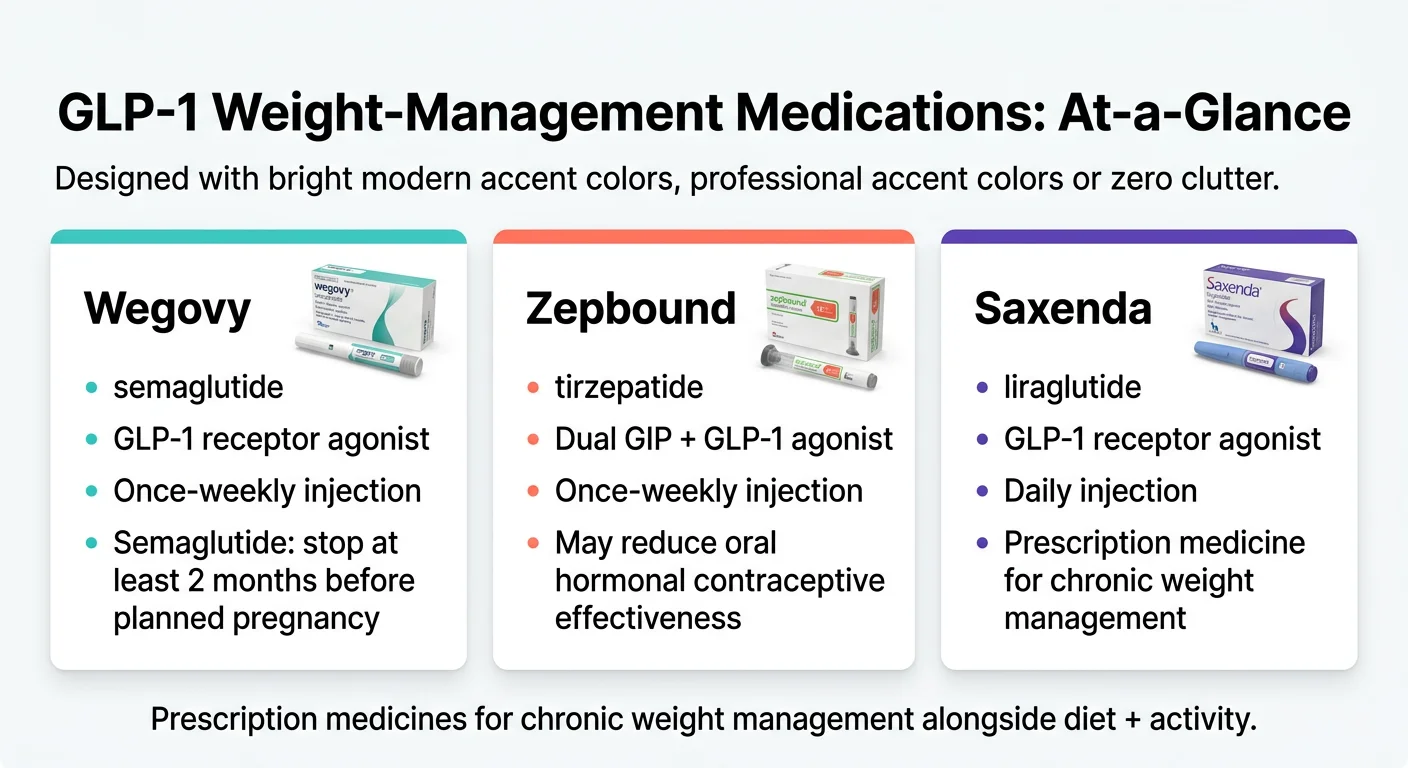
Prescription medications. Talk to a licensed clinician.
Who should NOT use GLP-1 medications:
- Women who are pregnant or breastfeeding
- Anyone with a personal or family history of medullary thyroid carcinoma (MTC) or Multiple Endocrine Neoplasia syndrome type 2 (MEN2)
- Anyone with a history of pancreatitis (discuss risk with your doctor)
- Anyone with a known serious hypersensitivity to the medication's ingredients
This is a prescription medication. A licensed healthcare provider must evaluate whether it's appropriate for you.
Do GLP-1s Actually Work Differently for Women?
Yes — and the data is surprisingly strong.
A March 2026 meta-analysis from Johns Hopkins Bloomberg School of Public Health examined 64 clinical trials collectively involving tens of thousands of patients. They found that women who took GLP-1 medications lost an average of approximately 11% of their starting body weight, compared to about 7% for men — a statistically significant difference. The researchers noted that other factors like age, race, ethnicity, and starting BMI did not produce similarly meaningful differences.
Why might women respond better? The Johns Hopkins researchers suggested several potential explanations: synergistic interactions between GLP-1 medications and estrogen, differences in how women's bodies process the medication (pharmacokinetics), and women's lower median body weight. But the honest answer is that the mechanism isn't fully understood yet — just the outcome.
What IS clear from the data: if you're a woman considering GLP-1 therapy, the clinical evidence is genuinely in your favor.
One caveat worth knowing: real-world results tend to be more modest than clinical trial headlines. While trials report 15–22% weight loss in controlled settings, real-world studies typically show 5–10% average weight loss after a year. The gap isn't about the medication failing — it's about the difference between a controlled trial environment and real life, where adherence, diet, exercise, and dozens of other variables come into play. But even 5–8% weight loss produces measurable improvements in blood pressure, blood sugar, cholesterol, and cardiovascular risk. For women fighting hormonally-driven weight that has resisted every diet, that kind of breakthrough is meaningful.
Tirzepatide vs Semaglutide for Women: Which One Should You Pick?
This is the most common follow-up question, so let's handle it directly.
The short version: Tirzepatide wins on raw weight loss numbers. Semaglutide wins on heart protection data and track record. Both work. Your best choice depends on your health profile, not just the scale.
Weight loss comparison: In the 2025 NEJM head-to-head trial, tirzepatide produced significantly greater reductions in body weight and waist circumference over 72 weeks compared to semaglutide, with both medications showing mostly mild-to-moderate gastrointestinal side effects during dose escalation. Read our full tirzepatide vs semaglutide comparison.
Heart protection: Semaglutide (Wegovy) has proven cardiovascular benefit data from the SELECT trial — a 20% reduction in major adverse cardiovascular events in people with obesity and established heart disease. Tirzepatide doesn't yet have equivalent cardiovascular outcome data, though trials are ongoing.
Side effects: Both cause GI side effects (nausea, diarrhea, constipation), particularly during dose increases. Some data suggests tirzepatide and semaglutide cause more diarrhea than older GLP-1 drugs like liraglutide or dulaglutide. Individual tolerance varies significantly — some women breeze through titration, others need to go slower.
Pick tirzepatide if your primary goal is maximum weight loss, you don't have established cardiovascular disease, and you can access/afford it
Pick semaglutide if you have heart disease risk factors, your insurance covers Wegovy specifically, or you want the medication with the longest safety track record
Either works — the difference matters less than actually starting and sticking with it
How Do GLP-1 Medications Actually Cause Weight Loss?
Understanding the mechanism helps you set realistic expectations and stick with the process when results feel slow.
GLP-1 (glucagon-like peptide-1) is a hormone your gut naturally releases after eating. It does three things: signals your brain that you're full, slows how quickly food moves through your stomach, and helps your body manage blood sugar by triggering insulin release. These medications mimic that hormone — but at higher, more sustained levels than your body produces on its own.
What this feels like in practice: Most women describe the experience as “food noise disappearing.” The constant background hum of thinking about food, planning meals, craving snacks — it quiets down. You get full faster, stay full longer, and don't experience the same intense cravings. It's not that food becomes unpleasant. It's that the obsessive pull fades.
Tirzepatide works on two receptors (GLP-1 and GIP), which appears to amplify both the appetite suppression and the metabolic effects. This dual mechanism may explain why tirzepatide produces greater average weight loss than single-receptor GLP-1 medications like semaglutide.
What the medication does NOT do: It doesn't burn fat directly. It doesn't speed up your metabolism significantly. It doesn't eliminate the need for healthy eating and exercise. What it does is create the biological conditions — reduced hunger, reduced cravings, improved blood sugar regulation — that make sustainable calorie reduction actually achievable. For women who've spent years in a willpower battle against their own biology, that's a profound shift. Learn more about how to start GLP-1 for weight loss.
The Real Pros and Cons of GLP-1s for Women
We're not going to pretend this is a perfect solution. Here's a balanced look at what women can genuinely expect.
The real pros:
- Clinically meaningful weight loss (5–22% of body weight depending on the medication, dose, and individual response)
- Women may benefit more than men — the Johns Hopkins data shows roughly 60% greater weight loss for women
- Effective across all reproductive stages (premenopausal through postmenopausal)
- Addresses insulin resistance directly — the root cause of weight gain for many women with PCOS, menopause, or metabolic syndrome
- Cardiovascular protection (semaglutide/Wegovy specifically — 20% reduction in major cardiac events in the SELECT trial)
- Reduced “food noise” and cravings — many women describe this as the most life-changing effect
- Available through affordable telehealth options without insurance
The real cons:
- GI side effects during dose escalation (nausea, diarrhea, constipation) — these affect the majority of users, though they typically improve
- Cost is ongoing: $146–$399/mo through telehealth, $1,000+ for brand-name without insurance
- Weight regain after stopping is common — this is typically a long-term or indefinite medication
- Muscle loss accompanies fat loss — requires proactive resistance training and protein intake
- Compounded versions are not FDA-approved (relevant for telehealth options)
- Pregnancy and breastfeeding are contraindications — requires careful planning for women of childbearing age
- Hair thinning during rapid weight loss (temporary but distressing)
Who it's genuinely NOT for:
- Women who are pregnant, breastfeeding, or planning pregnancy in the next 2–3 months
- Anyone with personal or family history of medullary thyroid carcinoma or MEN2
- Anyone with active pancreatitis
- Women who are looking for a short-term fix rather than a long-term tool
- Anyone unwilling to incorporate resistance training and adequate protein (the medication works, but without these habits, the results are less durable and muscle loss is worse)
Learn more about all GLP-1 risks and downsides.
Best GLP-1 by Life Stage: Which One Fits Where You Are Right Now?
This is where we get specific. Your age, hormonal status, and health goals should influence which medication and provider you choose. We built this decision framework because no other comparison site does this — and it's the question women actually need answered.
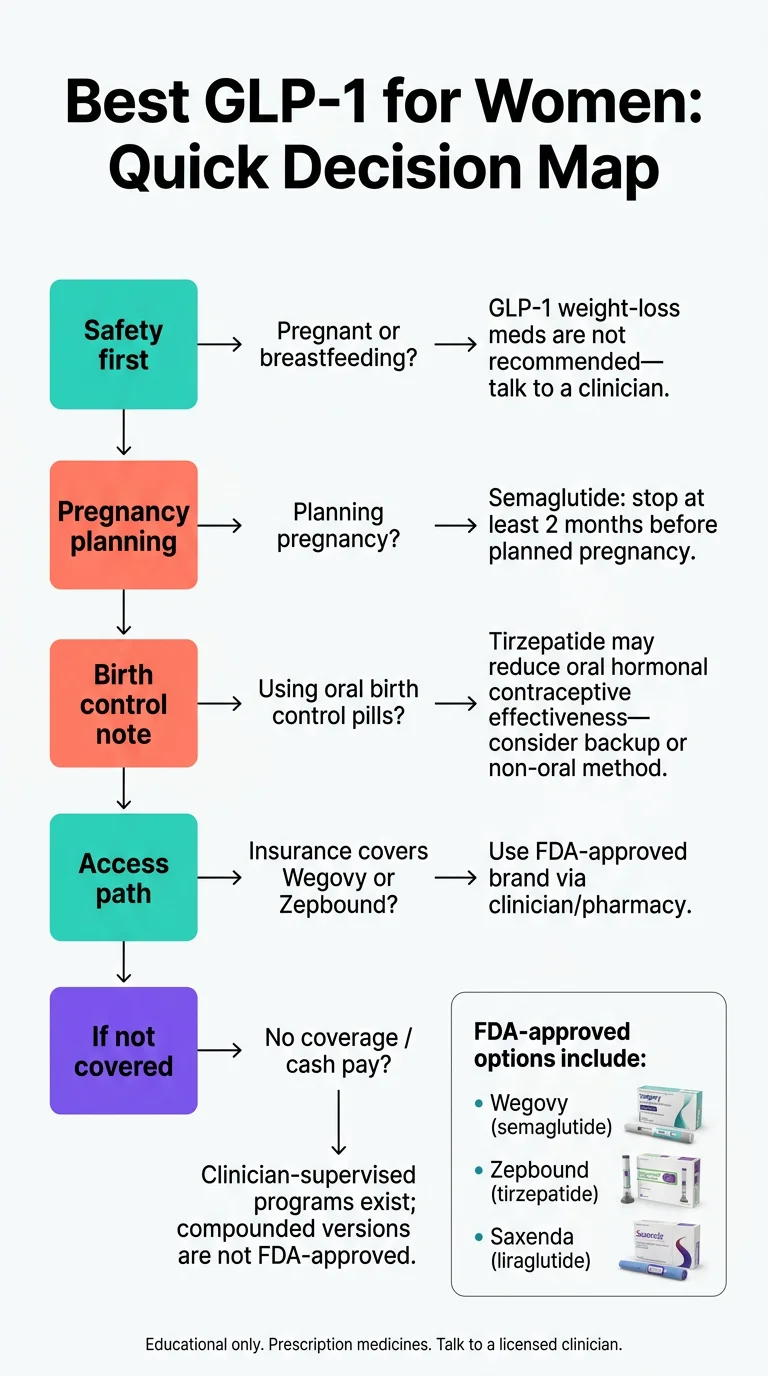
Educational only. Prescription medicines. Talk to a licensed clinician.
Women Over 40: When the Rules Change
This is often when women first notice that the strategies that worked in their 20s and 30s simply don't work anymore. Cortisol, sleep disruption, early hormonal shifts, and changing insulin sensitivity create a metabolic environment where willpower alone falls short.
What to prioritize: A provider with strong clinical support for dose adjustments (your body's response may fluctuate more than you expect), and a medication that addresses insulin resistance directly.
Best fit: MEDVi (24/7 clinician access for dose adjustments, both semaglutide and tirzepatide options) or Embody (needle-free GLP-1 gum option, $99 first month)
Women Over 50 and in Perimenopause/Menopause
This deserves its own discussion because the data is genuinely encouraging — and because so many women in this stage have been told (implicitly or explicitly) that weight gain is just something they have to accept.
It's not. A post-hoc analysis of the SURMOUNT clinical trials, led by endocrinologists at NewYork-Presbyterian and Weill Cornell Medicine, specifically examined how tirzepatide performed across different reproductive stages. The results: tirzepatide produced approximately 20% weight reduction in women regardless of whether they were premenopausal, perimenopausal, or postmenopausal. In the SURMOUNT-1 trial specifically, premenopausal women saw 26% body weight reduction (vs 2% placebo), perimenopausal women saw 23% (vs 3%), and postmenopausal women saw 23% (vs 3%).
Waist circumference — the belly fat that drives so many women to search for solutions during menopause — also decreased significantly across all groups (up to 22 cm reduction vs 4–5 cm for placebo).
A separate 2024 study published in Menopause found that postmenopausal women who combined semaglutide with hormone therapy lost significantly more weight than those on semaglutide alone, with better outcomes at every checkpoint (3, 6, 9, and 12 months). If you're already on or considering hormone therapy, this is worth discussing with your doctor. Read our full guide on GLP-1 for perimenopause.
What to prioritize: Muscle and bone preservation (non-negotiable — see our side effects section below), a provider who will titrate slowly, and ideally tirzepatide if accessible.
Best fit: MEDVi (strong clinical oversight, tirzepatide available) or Embody (semaglutide and tirzepatide, plus a needle-free GLP-1 gum option)
Women Over 60
Everything from the menopause section applies, plus additional considerations around muscle mass (sarcopenia risk increases), bone density (osteoporosis risk), fall risk, and medication interactions. Read our dedicated guide on best GLP-1 for seniors.
What to prioritize: Slow titration, close monitoring, protein intake (discuss targets with your clinician), and resistance training. A provider with genuine clinical engagement — not just a prescription mill.
Best fit: MEDVi (unlimited appointments, 24/7 support for questions)
Women with PCOS
GLP-1s directly address insulin resistance — the root driver of PCOS-related weight gain and many PCOS symptoms. They can improve insulin sensitivity, reduce fasting insulin levels, and in some cases help restore ovulatory cycles. Some fertility specialists are now integrating GLP-1s into preconception protocols for select patients.
This is a deep topic. We wrote an entire guide on it: Best GLP-1 for Women with PCOS →
Postpartum Women
If you gained weight during pregnancy and it's not coming off, GLP-1 therapy may be worth exploring — but timing and safety are critical.
First: You must be done breastfeeding before starting. GLP-1 medications have insufficient safety data for breastfeeding mothers, and no reputable provider should prescribe them while you're nursing.
Second: Get clearance from your OB/GYN. Your body has been through significant physiological changes, and your provider should evaluate your full health picture before adding a GLP-1.
Third: Choose a provider with strong clinical oversight. Postpartum hormonal shifts can affect how you respond to medication, and having easy access to a clinician for dose adjustments matters.
Best fit: MEDVi (unlimited 24/7 clinician access) or Embody (cash-pay option with a needle-free GLP-1 gum, $99 first month)
The Non-Negotiable Muscle Protocol (Every Woman, Every Age)
Regardless of your life stage, this applies to every woman on GLP-1 therapy. We're putting it here because it's that important.
GLP-1 medications cause weight loss from both fat and muscle. Without intervention, you can lose meaningful muscle mass — and since muscle drives your resting metabolic rate, protects your joints, supports bone density, and determines your functional independence as you age, protecting it isn't optional.
1. Resistance training 2–3x per week minimum. This doesn't require a gym. Bodyweight exercises, resistance bands, or dumbbells at home all count. The key is progressive overload — gradually increasing what you ask your muscles to do.
2. Protein at every meal. When your appetite is suppressed, every calorie matters more. Prioritize protein. Many clinicians suggest targeting 25–30g per meal at minimum. Protein shakes and bars can help on days when eating feels difficult.
3. Don't starve yourself on top of the medication. GLP-1s already reduce your calorie intake. Severely restricting calories further accelerates muscle loss and can worsen hair thinning. Eat enough to support your body's needs — just let the medication handle the appetite regulation.
4. Monitor with your provider. If you're losing weight very rapidly (more than 2–3 lbs per week consistently), discuss slowing your dose titration. Steady, moderate weight loss preserves more muscle than dramatic drops.
“Lost 16 lbs in 10 weeks — no side effects. Down two sizes. I wish I’d started sooner.”
— Verified MEDVi patient on ConsumerAffairs ★★★★★
If You Could Get Pregnant (Now or in the Future)
This section is critical. GLP-1 medications carry specific pregnancy and fertility considerations that your provider should discuss with you, but that you should also understand independently.
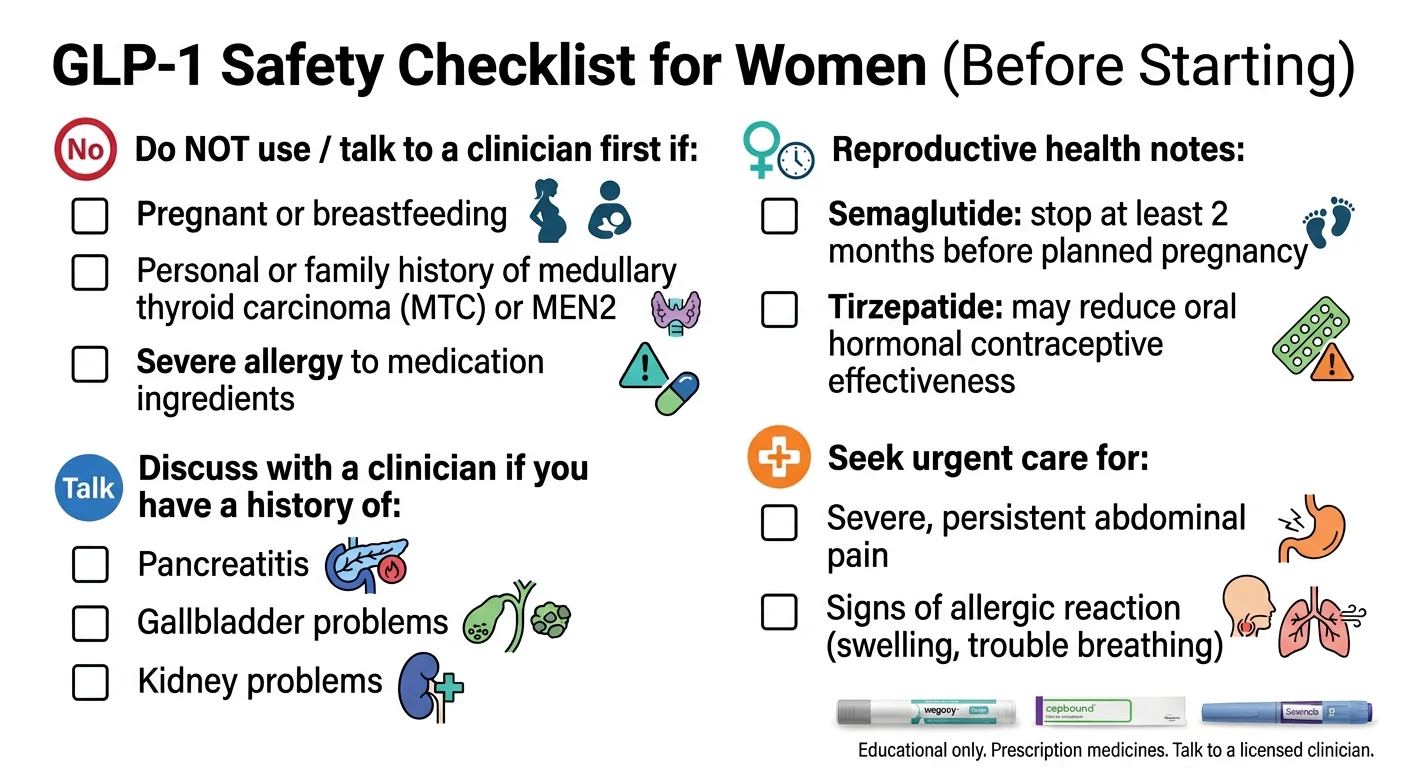
Semaglutide (Wegovy/Ozempic): The FDA label recommends discontinuing semaglutide at least 2 months before a planned pregnancy due to the drug's long half-life. Animal studies showed adverse pregnancy outcomes. There is no adequate human data.
Tirzepatide (Zepbound/Mounjaro): The FDA label includes a specific warning that tirzepatide may reduce the effectiveness of oral hormonal contraceptives. If you use birth control pills, your provider should discuss backup contraception during treatment and for a period after dose changes.
Breastfeeding: Data is limited for both medications. The FDA labels note that it is not known whether these drugs are excreted in human milk. Discuss risk/benefit with your clinician.
Bring this checklist to your doctor:
- Are you trying to conceive in the next 3–12 months?
- What contraception method are you currently using?
- If you're on oral birth control, has your provider discussed tirzepatide's interaction?
- What's the plan if you become pregnant during treatment?
- How long before conception should you stop the medication?
GLP-1 Provider Reviews: The Honest Breakdown
Now let's get into the providers. Each review leads with the verdict, gives you the facts, includes a real downside, and tells you who it's actually best for.
MEDVi — Best Overall for Most Women
The verdict: MEDVi is our top recommendation because it offers the lowest verified entry price ($179 first month), genuine 24/7 clinician access, and both injection and tablet options — without locking you into a contract.
What we verified:
- Pricing: $179 first month (includes consultation, medication, shipping). Ongoing: $299/mo for compounded semaglutide injections, $249/mo for dissolvable tablets. Tirzepatide injections at $349 and tirzepatide tablets at $279. Brand-name Wegovy and Ozempic available at higher price points.
- Pharmacy partner: Belmar Pharma Solutions / Beluga Health (U.S.-licensed compounding pharmacy)
- Clinical model: Unlimited 24/7 access to licensed clinical team. No membership fees. No contracts.
- Medication options: Compounded semaglutide (injection or dissolvable tablet), compounded tirzepatide, plus brand-name options
- Guarantee: Results-based guarantee — follow the program for 5 months without weight loss, and you may qualify for a refund
- HSA/FSA: Accepted — check your plan coverage
Why this matters for women specifically: The 24/7 clinician access isn't just a nice feature — it's practical. Hormonal fluctuations can affect how you tolerate GLP-1s week to week. Having someone available to adjust your dosing when you're having a rough stretch (whether that's your period, a perimenopausal flare, or a medication interaction question) is a genuine advantage over providers that only offer async messaging.
The honest downside: The jump from $179 to $299/mo after month one catches some people off guard. Budget for the ongoing cost, not just the intro price. And like all compounded medications, MEDVi's compounded GLP-1s are not FDA-approved — though they are prepared by licensed U.S. pharmacies under clinician supervision. Some users have reported occasional tech platform issues with the patient portal.
But here's the thing: at $299/mo for a medically supervised program with unlimited clinician access and delivered medication, MEDVi is still a fraction of brand-name Wegovy without insurance ($1,000–1,500/mo). And MEDVi reports serving over 100,000 patients through its GLP-1 program, with 10,000+ Trustpilot reviews, suggesting the platform works at scale.
Best for: Women who want solid clinical support without paying premium prices. First-time GLP-1 users who want guidance through dose titration. Women who prefer tablets over injections.
Not ideal for: Women whose insurance covers brand-name Wegovy or Zepbound at a low copay (go that route instead).
“Lost 16 lbs in 10 weeks — no side effects. Down two sizes. I wish I’d started sooner.”
— Verified MEDVi patient on ConsumerAffairs ★★★★★
Embody — Best for a Needle-Free GLP-1 Gum and a Low First Month
The verdict: Embody is a cash-pay telehealth GLP-1 program whose standout feature is a needle-free GLP-1 gum — a genuine alternative for women who dread weekly injections — paired with a low $99 first month for semaglutide injection.
- Pricing model: From $99 first month (semaglutide injection), then $299/mo ongoing; cash-pay, HSA/FSA accepted (no insurance billing).
- Medication selection: Compounded semaglutide and tirzepatide as weekly injections or a needle-free GLP-1 gum
- Availability: Broad U.S. availability; confirmed during intake
- Support: 24/7 care-team messaging with clinician oversight
Why this matters for women: Needle anxiety is a real barrier for many women starting GLP-1 therapy. Embody's needle-free GLP-1 gum removes that hurdle, and the low $99 first month makes it inexpensive to find out whether treatment works for you before committing.
Embody runs a fast online intake — a licensed provider reviews your chart, often within 24 hours — and ships medication to your door if treatment is approved.
The honest downside: Embody is cash-pay only and does not bill insurance (HSA/FSA accepted). Its shipped options are compounded GLP-1 medications, not FDA-approved finished drugs, and the $99 is an introductory first-month price — standard refills run $299/mo and up depending on medication and form.
Best for: Women who want a needle-free GLP-1 gum option, a low first-month price, and cash-pay simplicity. Compare Eden vs MEDVi.
SkinnyRX — Best User Reviews and Fastest Shipping
The verdict: Highest-rated provider on our list (4.8/5 on Trustpilot with 4,300+ verified reviews) and free overnight shipping on every order. When you've decided to start, SkinnyRX removes the waiting game.
- Pricing: $199/mo for compounded semaglutide, $249/mo for tablets, $299/mo for tirzepatide
- Shipping: Free overnight delivery (most patients receive medication next business day after approval)
- Options: Both injectable and tablet formats for semaglutide and tirzepatide
- No hidden fees or memberships
Why this matters for women: Momentum matters. If you've spent weeks or months building up the courage to start, a week-long shipping delay can kill your motivation. SkinnyRX's overnight delivery means you start when you're ready, not when USPS cooperates.
The honest downside: SkinnyRX is a newer brand compared to MEDVi, which means less long-term track record. And while the Trustpilot reviews are strong, always verify current pricing and terms directly — the telehealth GLP-1 space moves fast.
Best for: Women who want to start quickly. Women who value strong peer reviews. Women comfortable with a streamlined experience. Read our full SkinnyRX review.
TrimRX — Best for Flat-Rate Dosing
The verdict: TrimRX offers flat pricing regardless of your dose — so whether you're at 0.25mg or the maximum dose, your monthly cost doesn't change. For women who expect to titrate up, this can save money over time.
- Pricing: Promotional pricing around $147–$279 for month one; $399/mo ongoing. Flat rate means no surprise increases as dosage climbs.
- Guarantee: 3-month results guarantee
- Trustpilot: 4.0/5 (490+ reviews)
The honest downside: TrimRX has more mixed reviews than our top picks, particularly around billing practices and cancellation processes. The ongoing price of $399/mo is higher than MEDVi's $299/mo. Read the cancellation policy carefully before committing, and keep records of your communications.
Best for: Women who want budget certainty at every dose level. Women who plan to stay on treatment long-term. Read our full TrimRX review.
Yucca Health — Best Budget Option
The verdict: Lowest entry price on our list at $146 for your first month on a 6-month semaglutide plan, with ongoing months around $206/mo on that same plan. Check Yucca Health pricing.
- Pricing: $146 first month for new-to-GLP patients on the 6-month semaglutide plan; ongoing months approximately $206/mo
- Patients: 20,000+ reported
- Coverage: Licensed clinicians in all 50 states
- Shipping: UPS 2-Day Air, provider review typically within 24 hours
The honest downside: Yucca requires a 6-month upfront commitment — this isn't a month-to-month option. The $146 first-month price is a promotional rate for new patients; ongoing months are higher. And as a newer entrant, they have less review history than MEDVi or SkinnyRX. If you're not sure you'll stick with GLP-1 therapy for at least 6 months, a month-to-month provider might be safer.
Best for: Budget-conscious women who are committed to at least 6 months of treatment. Read our MEDVi vs Yucca comparison.
Willow — Best Aesthetic-Forward Approach
The verdict: Willow positions its GLP-1 program at the intersection of medical weight loss and aesthetic medicine — appealing for women who are motivated by how they look and feel, not just lab numbers. Compounded semaglutide is $299/mo at every dosage.
- Compounded semaglutide: $299/mo for all dosages
- Tirzepatide also available — confirm current pricing directly
- Oral tablet and injection formats available
- Same-day prescriptions and free 2-day shipping
The honest downside: Willow's clinical depth is lighter than MEDVi. At $299/mo for semaglutide, Willow is priced the same as MEDVi's ongoing injection rate but without the lower $179 entry month.
Best for: Women who want a weight loss experience that also addresses confidence, appearance, and self-image goals alongside health metrics. Read our full Willow review.
What Side Effects Should Women Expect — and How Do You Handle Them?
Side effects are the #1 concern that sends women back to search after reading a comparison page. So let's handle this thoroughly and honestly.
The common side effects (everyone)
Most GLP-1 side effects are gastrointestinal: nausea, diarrhea, constipation, and stomach discomfort. They're most common during dose escalation (the first few weeks at each new dose level) and typically improve with time. According to published meta-analyses, tirzepatide and semaglutide cause more GI effects than older GLP-1 drugs, but most are mild to moderate. Learn more about GLP-1 side effects.
What women specifically need to know
Hair loss. This comes up constantly, and it's worth understanding clearly: hair loss is caused by rapid weight loss, not by the medication itself. It happens with bariatric surgery, extreme diets, and GLP-1 therapy alike. It's almost always temporary — typically 6–12 months — and it's not progressive. The mitigation strategy is straightforward: adequate protein at every meal (aim for 25–30g minimum), a quality multivitamin or B-complex, and talking to your provider about slower titration if hair loss becomes significant. Learn more: GLP-1 and hair loss.
Muscle loss. GLP-1 medications reduce both fat and muscle during weight loss. This matters more for women because women already lose muscle faster during perimenopause and menopause. The solution is non-negotiable: resistance training (even 2–3 sessions per week makes a significant difference) and adequate protein (discuss targets with your clinician — many experts recommend at least 1g per pound of ideal body weight daily). Protein shakes can help when your appetite is suppressed.
Bone density. Perimenopause and menopause already increase osteoporosis risk. Rapid weight loss can accelerate bone loss. Mitigation: weight-bearing exercise, adequate calcium and vitamin D, and discussing bone density monitoring with your doctor if you're postmenopausal.
“Ozempic face.” Facial volume loss from weight loss — more noticeable in women over 40 who are also experiencing collagen decline from lower estrogen. A slower pace of weight loss reduces this effect. Some women work with their provider to find a maintenance dose that balances continued progress with quality of life.
Menstrual cycle changes. Some women report cycle irregularities during significant weight loss. This usually stabilizes but should be tracked and reported to your provider.
Nausea around your period. Anecdotal reports suggest GI side effects may worsen around menstruation for some women. If this happens, timing your weekly injection away from your period may help. Discuss with your clinician.
When to seek immediate medical care
Contact your provider or seek emergency care if you experience severe abdominal pain that doesn't resolve, persistent vomiting, signs of an allergic reaction (swelling of face/throat, difficulty breathing), or vision changes. These are rare but serious.
The One Hard Truth That Actually Helps You Succeed
Here's the thing most GLP-1 comparison sites won't tell you, and it's the one piece of information that will actually make your journey more successful:
Most people regain weight when they stop GLP-1 therapy.
Studies show that after discontinuation, weight tends to come back — and it comes back primarily as fat rather than muscle, which means your body composition can actually be worse than when you started unless you've been proactive. Current evidence suggests many people will need to stay on GLP-1 therapy long-term, similar to how someone manages blood pressure medication. Read our full guide on what happens when you stop.
Why this is actually empowering (not discouraging):
Knowing this upfront changes your strategy. Instead of treating GLP-1 therapy as a quick fix you'll eventually stop, you treat it as a long-term tool — and you use the time on medication to build the habits that protect your results regardless:
- Resistance training — the single most important habit you can build while on GLP-1s. It protects muscle mass during weight loss and maintains your metabolic rate.
- Protein-forward eating — when your appetite is suppressed, every calorie matters more. Make protein the priority at every meal.
- Maintenance dose planning — many women eventually move to a lower maintenance dose rather than stopping entirely. Discuss this with your clinician.
- Choose a provider that supports the long game — this is why we weight clinical support so heavily in our rankings. A provider that's set up for long-term care (not just the first prescription) makes a meaningful difference.
The women who get the best long-term outcomes aren't the ones who lose weight fastest. They're the ones who build sustainable habits while the medication gives them breathing room to do so.
How to Get GLP-1s Without Getting Scammed
The GLP-1 space has attracted its share of bad actors. The FDA has publicly stated it intends to take enforcement action against companies selling non-approved GLP-1 products with unsubstantiated claims. Here's how to protect yourself:
Three categories of GLP-1 access — know which one you're in:
- Brand-name medications via licensed pharmacies: Wegovy, Zepbound, Saxenda, Ozempic, Mounjaro. FDA-approved, extensive clinical trial data, dispensed through licensed pharmacies. Most expensive option; often requires insurance or manufacturer coupons.
- Compounded GLP-1s via licensed telehealth providers: This is what MEDVi, Embody, SkinnyRX, TrimRX, Yucca Health, and Willow offer. Compounded medications are prepared by licensed U.S. pharmacies based on a clinician's prescription. They are not FDA-approved and have not been evaluated by the FDA for safety, effectiveness, or quality. However, they are significantly more affordable ($146–$399/mo vs $1,000–1,500/mo) and accessible. Learn about compounded semaglutide.
- “Research peptides,” unregulated online vendors, and supplements claiming GLP-1 effects: Avoid these entirely. No clinical oversight, no quality assurance, and potentially dangerous.
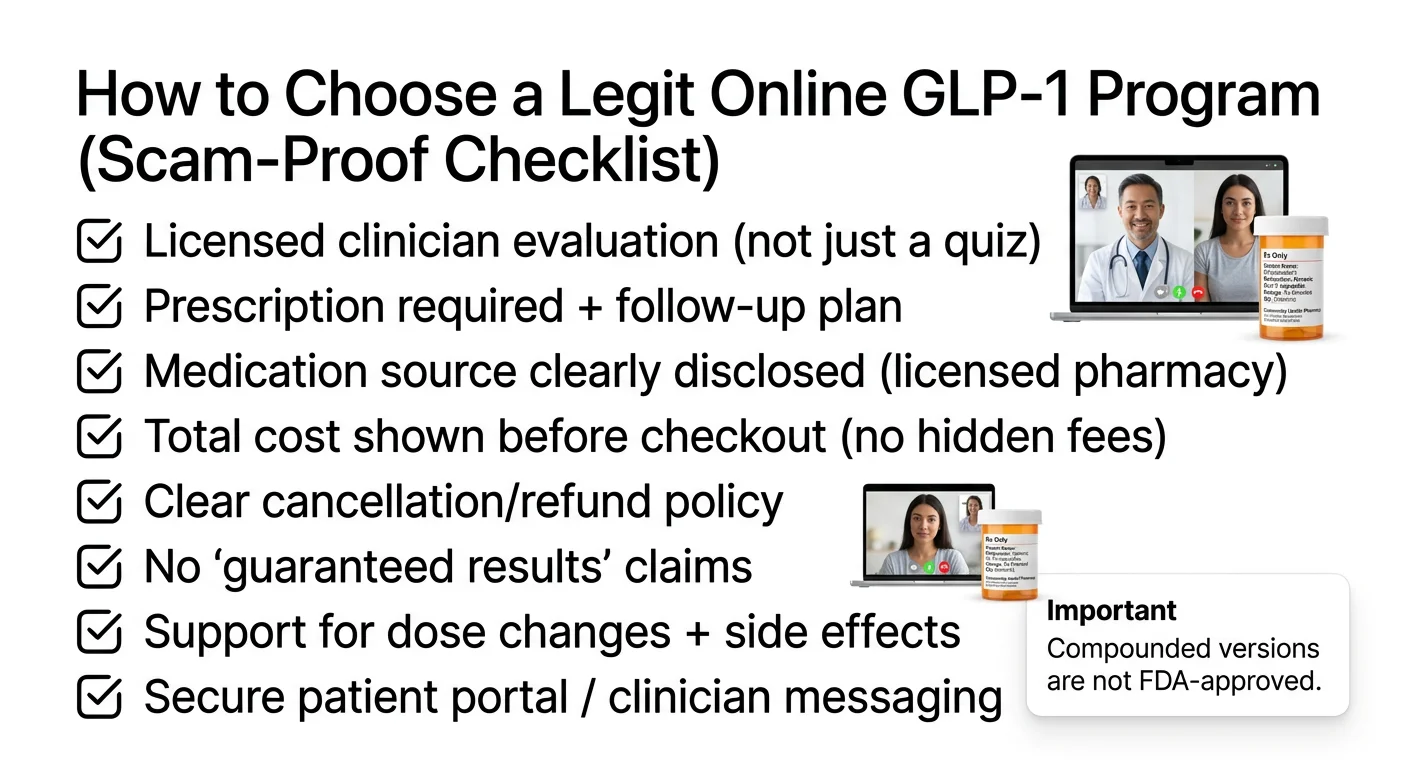
Your “legit program” checklist (bookmark this):
- Licensed clinician reviews your health history before prescribing
- Medication sourced from a licensed, regulated U.S. pharmacy
- Transparent pricing (you know the full cost before you commit)
- Ongoing clinical support for dose adjustments and side effects
- Clear cancellation and refund policies
- Cold-chain shipping if required for the medication format
- No promises of guaranteed results or “risk-free” outcomes
Every provider on our comparison table meets these criteria. If a provider you're considering doesn't, that's a red flag.
Red flags that signal a scam or low-quality provider
- No medical evaluation required. Any provider that offers to ship you GLP-1 medication without a clinician reviewing your health history is operating outside medical standards. Run.
- “Guaranteed” weight loss or “risk-free” promises. No legitimate medical provider makes guarantees. Results depend on individual factors.
- Vague medication sourcing. If they can't tell you which pharmacy prepares their medications, don't trust them.
- Prices that seem too good to be true. If someone is offering compounded semaglutide for $50/month, ask yourself how that's economically possible while maintaining quality.
- No clear cancellation policy. Before you enter your credit card, find the cancellation terms. If they're buried or nonexistent, that's a problem.
- Aggressive upselling after signup. A legitimate provider prescribes what you need based on your health profile.
- No license verification possible. Reputable telehealth providers are transparent about their clinical licenses and pharmacy partnerships.
A note on “GLP-1 supplements,” patches, and probiotics
Over-the-counter supplements, patches, and probiotics marketed as “GLP-1 support” are not the same thing as prescription GLP-1 medications. They have not demonstrated comparable weight loss in clinical trials. Some supplements containing ingredients like berberine or certain probiotic strains have shown modest effects on blood sugar and gut health in early research, but comparing them to prescription GLP-1 therapy is like comparing a multivitamin to chemotherapy — different categories entirely. If you're interested in supplementary support while on GLP-1 therapy, discuss options with your clinician. But don't substitute supplements for the real thing.
Should You Use Insurance, Pay Cash, or Use an Online Program?
This depends entirely on your coverage. Here's the decision tree:
If your insurance covers Wegovy or Zepbound with a reasonable copay ($25–$100/mo): Use insurance. Go through your doctor or an insurance-navigating telehealth service. This is the best path because you get FDA-approved medication with full clinical trial backing.
If your insurance doesn't cover weight loss medications (most don't — only about 19% of large employer plans covered GLP-1s for weight loss in 2025): Telehealth compounding providers are your most realistic option. Brand-name medications cost $1,000–1,500/mo without insurance. Compounded options through providers like MEDVi ($179–$299/mo) or Yucca Health ($146 first month) make treatment accessible. See our full cheapest GLP-1 without insurance guide.
If you're unsure about your coverage: Ask your insurance company directly. Some telehealth providers will help navigate insurance on your behalf, though they tend to be more expensive.
HSA/FSA: Most telehealth GLP-1 providers accept HSA and FSA funds. This effectively makes the cost pre-tax, which is meaningful over a year of treatment. Check if HSA/FSA works for GLP-1.
How We Researched and Ranked These Providers
Transparency matters — especially for a topic with affiliate relationships. Here's exactly how we built our rankings.
Sources we used:
- FDA-approved prescribing information (Wegovy, Zepbound, Saxenda labels via FDA.gov)
- Johns Hopkins Bloomberg School of Public Health — GLP-1 effectiveness meta-analysis by sex (2026)
- NewYork-Presbyterian / Weill Cornell Medicine — SURMOUNT trial menopausal subgroup analysis (published in Obesity)
- RAND Corporation — GLP-1 usage demographics by sex and age (2025)
- New England Journal of Medicine — tirzepatide vs semaglutide head-to-head trial (2025)
- Trustpilot verified review pages for each provider
- Provider websites — pricing, policies, and medication options verified March 2026
Our scoring framework (100 points total):
Safety and legitimacy (30 points): Licensed clinicians, regulated pharmacy partners, medication sourcing transparency
Women-specific clinical support (20 points): Dose adjustment flexibility, side effect management, reproductive health awareness
Price transparency (15 points): Clear pricing, no hidden fees, upfront about ongoing costs vs intro pricing
Customer support and responsiveness (15 points): Trustpilot rating (weighted by review volume), support access hours, cancellation clarity
Convenience and logistics (10 points): Shipping speed, medication format options, state availability
Policies and cancellation (10 points): Month-to-month vs commitment, refund guarantees, ease of cancellation
Our conflict of interest: We earn affiliate commissions when you sign up through our links. This does NOT influence rankings — we recommend MEDVi whether you use our link or go directly to their site. Our revenue model funds the verification work you're reading right now. Read our full editorial standards.
FAQ: Best GLP-1 for Women — Quick Answers
What is the best GLP-1 for weight loss in women?
Based on current evidence, tirzepatide (Zepbound) produces the greatest average weight loss in clinical trials. Semaglutide (Wegovy) is a close second with stronger cardiovascular outcome data. For most women using telehealth, compounded semaglutide through a verified provider like MEDVi ($179/mo to start) offers the best balance of cost, support, and effectiveness.
Do GLP-1 medications work for women over 50 or in menopause?
Yes. A SURMOUNT trial subgroup analysis of 2,542 women found that tirzepatide produced approximately 20% weight reduction regardless of reproductive stage — premenopausal, perimenopausal, or postmenopausal. Combining GLP-1 therapy with hormone therapy may produce even better results, according to a 2024 study in the journal Menopause.
Do GLP-1s work for PCOS?
GLP-1 medications directly address insulin resistance, which is the root driver of PCOS-related weight gain. They can improve insulin sensitivity and may help restore ovulatory function. We wrote a complete guide on this: Best GLP-1 for Women with PCOS.
Is semaglutide or tirzepatide better for women?
Tirzepatide shows slightly greater average weight loss in head-to-head trials. Semaglutide has more long-term safety data and proven cardiovascular benefits (SELECT trial). If maximum weight loss is the priority, tirzepatide has the edge. If cardiovascular risk reduction matters, semaglutide has the stronger evidence.
Will I lose my hair on GLP-1 medication?
Hair loss is caused by rapid weight loss, not the medication itself. It's temporary (typically 6-12 months) and occurs with any significant weight loss. Minimize it with adequate protein (25-30g per meal), a quality multivitamin, and discussing slower dose titration with your provider if it becomes significant.
How much weight will I realistically lose?
Clinical trials show 15-22% of body weight over 12-18 months. Real-world results average 5-10% after one year. For a 200 lb woman, that's roughly 10-20 lbs in typical conditions, or 30-44 lbs with strong adherence, diet, and exercise. Even modest weight loss (5%+) produces meaningful health improvements.
Can I take GLP-1s while breastfeeding?
No. There is insufficient safety data for GLP-1 medications during breastfeeding. Wait until you've finished breastfeeding and get clearance from your OB/GYN.
Do I need to stop GLP-1s before getting pregnant?
Yes. The Wegovy label recommends stopping semaglutide at least 2 months before a planned pregnancy. The Zepbound label warns that tirzepatide may reduce oral contraceptive effectiveness and recommends backup contraception. Discuss specific timing with your clinician.
How much do GLP-1s cost per month?
Through telehealth compounding providers: $146-$399/month depending on provider and plan. Brand-name: $1,000-1,500/month without insurance, potentially $25-50/mo with good coverage. Most insurance plans do not cover weight loss medications. HSA/FSA funds are generally accepted by telehealth providers.
Which GLP-1 drugs are FDA-approved for weight loss?
Three: Wegovy (semaglutide injection + now an oral pill), Zepbound (tirzepatide injection), and Saxenda (liraglutide injection). Ozempic and Mounjaro are approved for type 2 diabetes and sometimes prescribed off-label for weight loss.
Which GLP-1 has the least side effects?
There's no universally "easiest" GLP-1 — individual tolerance varies significantly. The biggest driver of side effects is often dose titration speed, not the medication itself. Starting low and increasing gradually ("start low, go slow") minimizes GI side effects for most women. Older GLP-1s like liraglutide and dulaglutide may cause less diarrhea than semaglutide or tirzepatide, but they also produce less weight loss.
What's the difference between compounded and brand-name GLP-1s?
Brand-name (Wegovy, Zepbound) are FDA-approved with extensive clinical trial data. Compounded GLP-1s are prepared by licensed U.S. pharmacies under a clinician's prescription — they are not FDA-approved and have not been evaluated by the FDA for safety, effectiveness, or quality. Compounded versions are significantly cheaper ($146-$399/mo vs $1,000-1,500/mo without insurance).
Do GLP-1 supplements, patches, or probiotics work?
Over-the-counter products marketed as "GLP-1 support" are not comparable to prescription GLP-1 medications and have not demonstrated comparable weight loss in clinical trials. Some ingredients show modest effects in early research, but they are a different category entirely.
Can GLP-1s help with belly fat specifically?
Yes. GLP-1 medications improve insulin sensitivity, which directly targets visceral (belly) fat — the type that accumulates during menopause and with PCOS. The SURMOUNT trials showed waist circumference reductions of up to 22 cm in women on tirzepatide. Tirzepatide may be particularly effective for visceral fat reduction.
Do I have to take GLP-1s forever?
Current evidence shows that stopping typically leads to weight regain, primarily as fat. Many doctors now view GLP-1 therapy as long-term or ongoing. Some women eventually taper to lower maintenance doses. The key is building sustainable habits (resistance training, protein, sleep) while on medication.
Are GLP-1s safe long-term for women?
Semaglutide has the most long-term data, with studies extending beyond 2 years showing sustained benefits. The SELECT trial demonstrated cardiovascular benefits. Common side effects typically improve over time. Contraindications include pregnancy, breastfeeding, personal/family history of medullary thyroid carcinoma, and history of pancreatitis. Work with a licensed provider who monitors your progress.
Is there an oral GLP-1 option (no needles)?
Yes. The FDA approved oral Wegovy (semaglutide pill), and clinical trials showed approximately 14-17% weight loss. Several telehealth providers also offer compounded dissolvable or sublingual tablets. MEDVi offers a dissolvable tablet starting at $249/mo. SkinnyRX offers oral options, and Embody offers a needle-free GLP-1 gum.
Can GLP-1 medication affect my birth control?
Tirzepatide (Zepbound/Mounjaro) may reduce the effectiveness of oral hormonal contraceptives. The FDA label recommends using backup contraception (such as a barrier method) during treatment. Semaglutide does not carry the same labeling warning, but discuss contraception with your clinician regardless.
How long does it take to see results on a GLP-1?
Most women notice reduced appetite and cravings within the first 1-2 weeks. Measurable weight loss typically begins within 4-6 weeks, though some women see the scale move sooner. The most significant results happen during months 3-12 of treatment. Don't be discouraged by slow early weeks — the starting dose is intentionally low to minimize side effects, and weight loss accelerates as your dose titrates up.
What happens when you stop taking GLP-1 medication?
Weight regain is common after stopping — studies show most people regain a significant portion of lost weight within 1-2 years of discontinuation, primarily as fat mass rather than muscle. This doesn't mean the medication "failed" — obesity is a chronic condition, and GLP-1 therapy is increasingly viewed as long-term management. Many women work with their clinician to find a lower maintenance dose rather than stopping entirely.
Can I drink alcohol while on a GLP-1?
There's no specific alcohol contraindication, but many women report dramatically reduced interest in alcohol as a side effect. Some report that alcohol affects them more strongly. If you drink, start cautiously — your tolerance may have changed. Alcohol can also worsen GI side effects like nausea.
Can GLP-1s affect my menstrual cycle?
Some women report cycle irregularities during significant weight loss on GLP-1 therapy. This is generally related to the weight loss itself rather than a direct medication effect. Track changes and discuss with your provider, especially if you're managing PCOS or perimenopausal symptoms.
I'm on hormone replacement therapy — can I also take a GLP-1?
There is no known contraindication between GLP-1 medications and hormone replacement therapy. A 2024 study in Menopause found that postmenopausal women on both semaglutide and HRT lost significantly more weight than those on semaglutide alone. If you're taking tirzepatide, discuss timing with your prescriber since delayed gastric emptying can affect absorption of some oral medications.
How do I know if an online provider is legit?
Verify these: licensed clinician oversight (not just a questionnaire), medication from a licensed U.S. pharmacy, transparent pricing, ongoing clinical support, clear cancellation policies, and no promises of guaranteed results. All providers in our comparison table meet these criteria.
Ready to Start? Here's Your Next Step
You've read the data. You know GLP-1s work — and work especially well for women. You know which medication fits your situation, and you know which provider matches your priorities.
The only thing left is deciding to begin.
If you want the best balance of price and support: Start with MEDVi → ($179 first month, 24/7 clinician access, no contracts)
If you want a needle-free GLP-1 gum or a low first month: Check Embody eligibility →
If you want to start fast with overnight delivery: Check SkinnyRX →
If budget is the priority: See Yucca Health plans →
Every provider on our list requires a medical evaluation by a licensed clinician before prescribing. You'll fill out a health questionnaire, have a consultation, and receive a personalized treatment plan. Most women receive their first shipment within 3–7 days of approval.
You don't need to have everything figured out before you start. The clinical team will guide you through dosing, side effects, and adjustments. Your job is just to take the first step.
“Lost 16 lbs in 10 weeks — no side effects. Down two sizes. I wish I’d started sooner.”
— Verified MEDVi patient on ConsumerAffairs ★★★★★
Sources
- Johns Hopkins Bloomberg School of Public Health. “GLP-1 Weight-Loss Drugs Comparably Effective for Patients Across Age, Race, and Starting Weight.” March 2026. Link
- NewYork-Presbyterian / Weill Cornell Medicine. “Women in Menopause Benefit From GLP-1 Weight-Loss Medications as Much as Younger Women.” SURMOUNT subgroup analysis published in Obesity. Link
- Frías JP et al. “Tirzepatide versus Semaglutide Once Weekly in Patients with Obesity.” New England Journal of Medicine. 2025. Link
- RAND Corporation. “GLP-1 Agonists in Perimenopause: Unique Risks and Potential Opportunities.” August 2025. Link
- FDA. Wegovy Prescribing Information. Link
- FDA. Zepbound Prescribing Information. Link
- FDA. “FDA Intends to Take Action Against Non-FDA-Approved GLP-1 Drugs.” Link
- Obesity Medicine Association. Weight Loss Medications Overview. Link
- Mayo Clinic News Network. “New Study Links Combination of Hormone Therapy and Tirzepatide to Greater Weight Loss After Menopause.” Link
- Trustpilot: MEDVi, SkinnyRX, TrimRX verified review profiles. Accessed March 2026.
This content is for informational purposes only and does not constitute medical advice. GLP-1 medications are prescription drugs that must be prescribed by a licensed healthcare provider. Always consult your doctor before starting any medication or weight loss program. Compounded medications referenced on this page are not FDA-approved products. Individual results vary. We are an affiliate site — we may earn commissions on purchases made through our links. This does not affect our editorial recommendations. Full editorial standards.